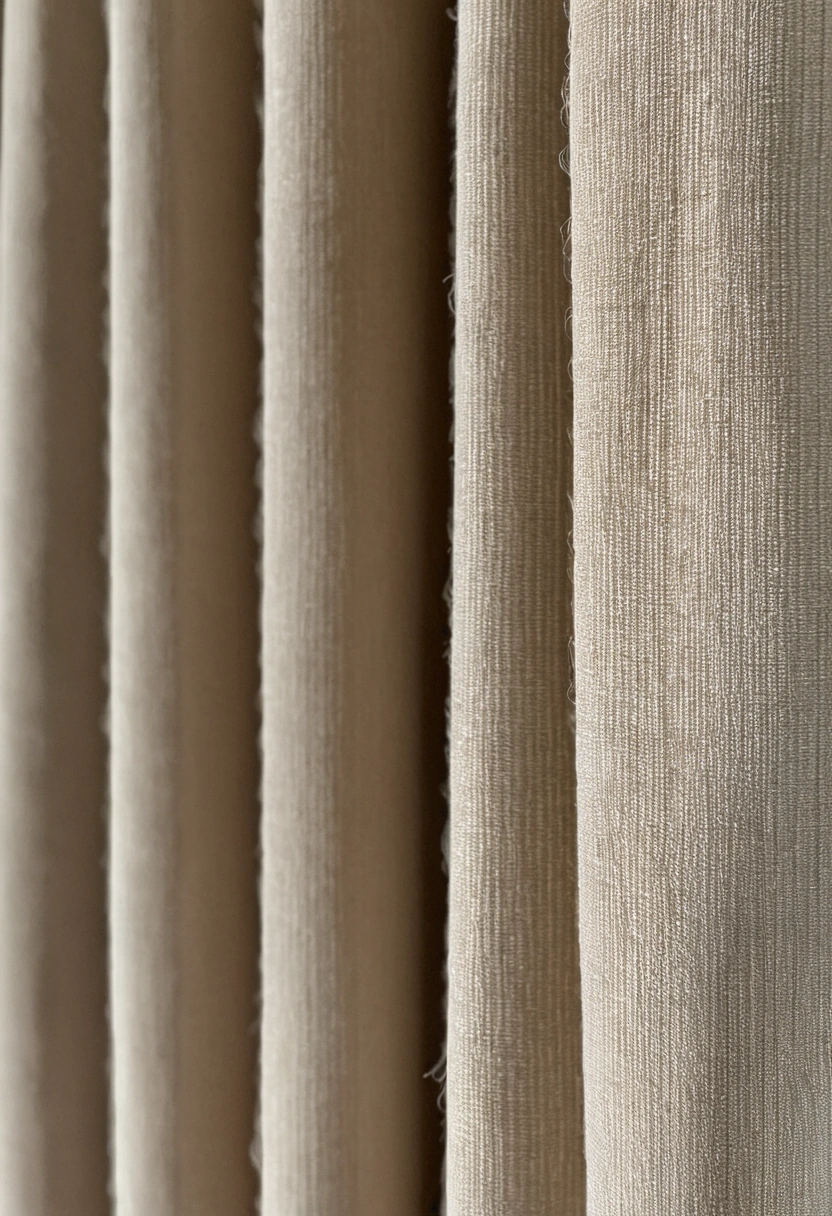
Layered Window Treatments: Assigning a Job to Each Layer
Sarelli Textiles presents fabrics and rugs for interior projects. A layered window treatment works when each layer has a defined task. A sheer might soften a view, a shade might control direct sun, and a drape might frame the room or provide evening privacy. Adding layers without clear jobs can make a window harder to use and maintain.
Write the window brief before choosing fabric
Stand at the window at different times of day. Note where direct light enters, whether neighboring buildings overlook the room, what view should remain visible, and whether people need to darken the space for rest or a screen. In a UAE interior, strong sun and cooling loads may influence the brief, but the response depends on orientation, glazing and the room's use. The U.S. Department of Energy's window guidance separates solar heat gain from visible light transmission and describes shades and blinds as ways to manage unwanted gain and daylight.
Describe the target in everyday terms: “allow daylight without a clear view in,” “reduce glare at the desk,” or “darken the bedroom at night.” These statements tell the workroom which layer has to move and which can stay. They also reveal conflicts. A dense curtain that blocks a pleasant view all day is a poor answer to a brief that asks for privacy only after sunset. A thin sheer is unlikely to solve a direct-glare problem at the hour when sun strikes a screen.

Give every layer a single primary task
A useful arrangement might put a light filtering layer nearest the glass and a movable decorative drape in front. Another might use a properly specified shade for sun control and a curtain for warmth of appearance. The best combination is not universal. Decide what must happen when only one layer is closed, then when both are closed. If each state does something useful, the design has operational logic. If both layers do exactly the same thing, consider whether one is enough.
Do not promise energy savings merely because the assembly looks thick. The DOE explains that window attachment performance depends on type and use; its cellular shade fact sheet discusses a specific insulated shade design. Ordinary decorative fabric should not inherit those claims. If thermal performance is a project requirement, ask for ratings on the actual product and evaluate the window system. A drape may still be valuable for privacy, light control and composition without being sold as a measured insulating product.
Make space for the assembly
Layering consumes depth. Measure the reveal, sill, handles, vents and any door swing before selecting tracks and headings. Draw a section from glass to room showing the glass-side layer, its hardware, the room-side layer and the clearance between them. Add the handle in its open position and mark where each gathered panel rests; this reveals clashes before the track is installed. When the outer layer stacks open, it should not block more glass than the brief allows. When both layers close, they should operate without rubbing excessively or catching on handles.
At a ceiling-height window, the stack and return can change the wall composition. A wide drape may frame the opening when open, but it also needs a safe place to rest. A shade may disappear when raised or create a visible valance. Ask the installer and workroom to check these conditions on site. A rendering often shows the best closed state; the measured drawing should show open, partial and closed states as well.
| Condition | Possible layer | Verification |
|---|---|---|
| Daytime view with soft privacy | Light filtering sheer | Observe from inside and outside in real light |
| Direct sun or screen glare | Adjustable shade or blind | Test the critical time and viewing position |
| Night privacy or darkening | Opaque or lined drape | Check gaps, returns and artificial light outside |
| Visual frame | Decorative side panels | View open state from room entry |
Test privacy as a two-sided condition
A sheer can look private from the sofa in daytime while showing silhouettes from outside at night when the room is brighter. Examine the intended assembly from the relevant exterior or opposing building position where safe and practical. Test it with lights on and off and with the layers in their planned positions. If privacy is essential, a sample held against glass at noon is insufficient. Document which layer provides privacy in each state so users know how to operate the window.
Darkening has its own details. Light may leak at side gaps, the top, the center overlap or the sill even when the fabric itself is opaque. Decide whether the room needs partial dimming or a more complete darkened condition, then draw the appropriate overlap and returns. A curtain's color does not prove its light blocking; ask for the supplier's product information and test a full-size sample. The installed assembly, not an isolated square of cloth, determines the experience.

Coordinate the two textiles
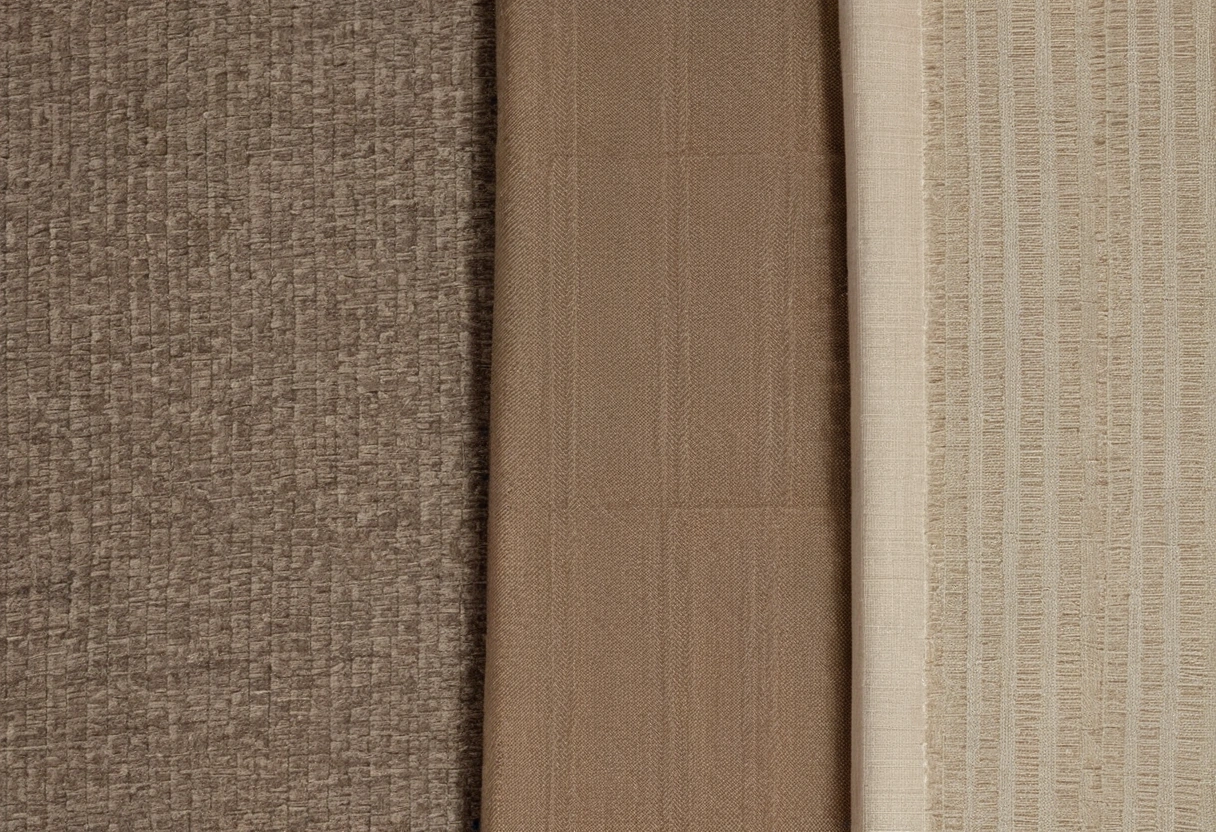
The layers must look coherent together in daylight and under electric light. A warm sheer can change how a cool outer drape appears when sunlight passes through it. A patterned front panel may show a second layer's seam or track in silhouette. Hang large cuttings in sequence, with the proposed lining if one is planned. Compare their folds and widths. The U.S. Department of Energy notes that light source color and object color rendering are different properties in its LED overview; nighttime sampling is therefore worthwhile.
Confirm that each fabric is intended for drapery or the specified window application. ACT organizes its voluntary textile guidelines by construction and intended use. The product sheet should identify the relevant lightfastness, care and other requirements. A beautiful upholstery cloth is not automatically a suitable curtain, and a sheer selected for atmosphere may have different maintenance needs from the opaque layer beside it.
Give the user a simple operating plan
After installation, explain which layer to use for glare, daytime privacy, evening privacy and full opening. A treatment that requires several awkward moves may be left in one position and fail to deliver the intended flexibility. Check that controls are reachable, that tracks move smoothly and that curtains clear furniture. If motorized elements are included, the operator still needs a clear description of the intended positions and a way to maintain the fabric safely.
Keep the care instructions for both textiles and for any shade or lining. Dust accumulation and handling occur in different places, so the cleaning plan may differ by layer. Ask the supplier about spot treatment rather than assuming that all pieces can be cleaned in the same way. Record the finished dimensions and fabric details for future repair. A layered window is a small system: its appearance, hardware, operation and maintenance should be specified together.
The result should be easy to judge. With both layers open, the window serves the room's view. With one layer active, it solves a named daytime condition. With both closed, it meets the planned privacy or darkening brief. When every state has a purpose, the layers feel intentional and the window remains practical to use.
Layer order also affects access for maintenance. A shade mounted close to glass may be difficult to reach once a full curtain is installed in front of it. Ask the installer to demonstrate how each layer can be cleaned, repaired or removed without damaging the other. If the window opens for ventilation, test that movement with the treatment in place. A clean drawing of the closed assembly can conceal a handle that catches a fold or a track that blocks service access. These operational checks belong in the design review, not in a later troubleshooting visit.